Revoluciona tu radio con
 Automatización + Inteligencia Artificial
Automatización + Inteligencia Artificial
Automatización + Inteligencia Artificial
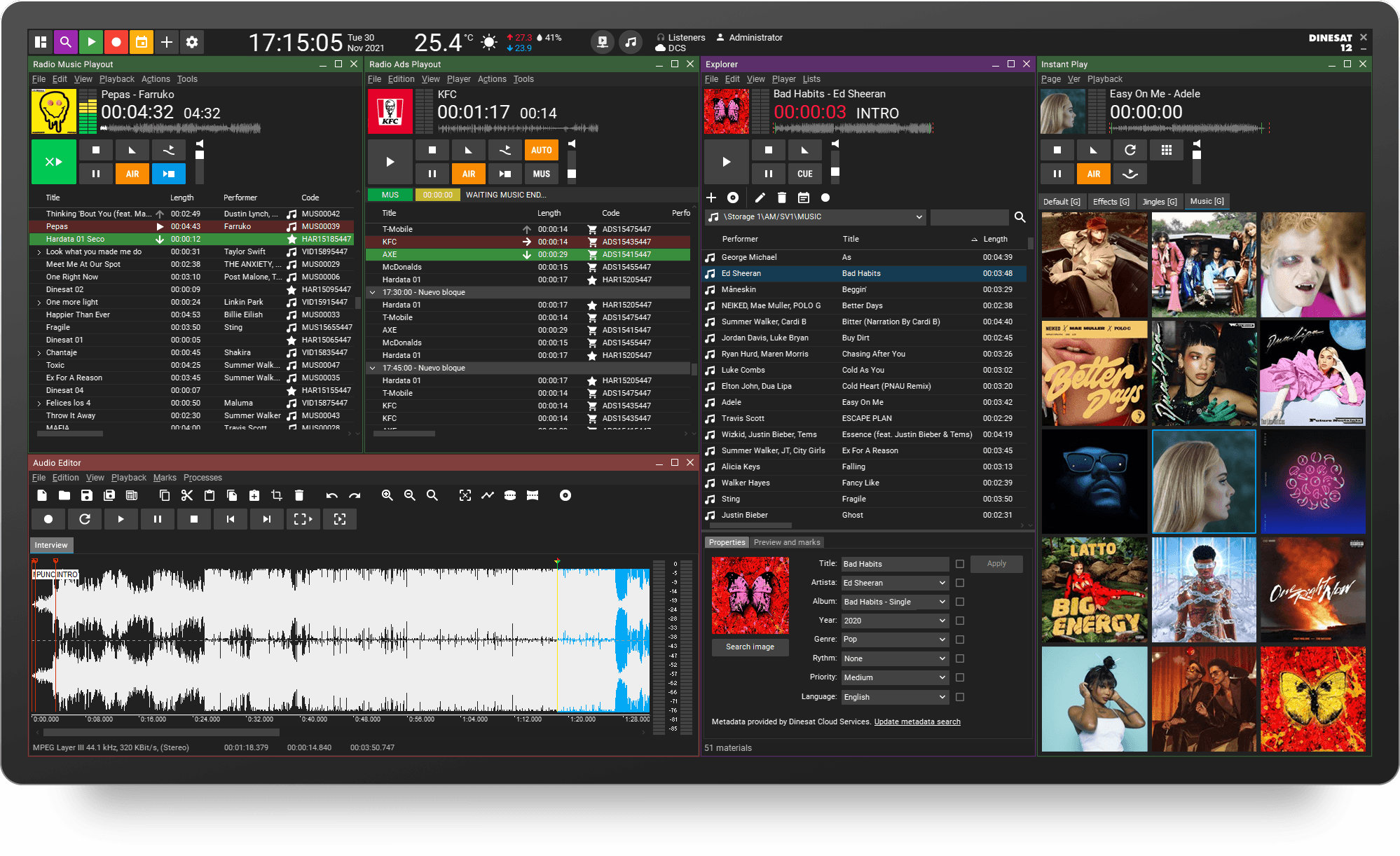
DINESAT 12 es un automatizador pensado para pequeñas y medianas emisoras de radio. Desarrollado para lograr una emisión prolija y profesional de tu contenido.
Titli was a film of inland storms: a family’s slow erosion, a brother’s brittle pride, a sister’s stubborn mercies. It unfurled in rooms where the air was thick with old grievances and unspoken debts. The camera lingered on the ordinary—an iron rusting on a balcony, the cigarette ash at the lip of an old cup, a mother’s knuckles whitening as she tied a sari—and in those stray details the story found its currency. Faces were landscapes: the protagonist’s jaw a field ploughed by choices; his sister’s eyes, an inland sea that could both drown and sustain.
For the filmmakers, seeing Titli pirated through Filmyzilla was a double-edged midnight. They had made a piece that needed eyes; here were eyes. But the economy that sustains cinema—the tiny budgets, the hope for critical recognition, the slim chance of theatrical longevity—felt violated. The craft of lighting, the risk of a long take, the investments of actors and technicians: all of it is accounted for in receipts and reckonings. When a film’s life is diverted into torrents and trackers, gratitude and grievance sit side-by-side, two quarrelsome relatives at the same table.
Yet piracy’s story is not only one of loss. In towns where a single copy of Titli on Filmyzilla became a communal resource, screenings happened spontaneously. House walls became theaters; neighbours brought chappatis and tea; discussions spilled late into the night about masculinity and mercy. In some instances, the torrent catalysed chance encounters: a young cinematographer, watching the film on a cracked screen, decided to apprentice; an actor in a far-off town saw in Titli’s performances a language she wanted to learn. These are small resistances to the dominant ledger of rights and wrongs, proof that art’s circulation—however messy—can seed new creation.
Titli’s aesthetic—raw, patient, unforgiving—made it resistant to facile reduction. Its life on Filmyzilla was a study in contradictions: circulation without permission, intimacy without embellishment, a film’s sanctity collided with the public’s hunger. The film did not become lesser because it was shared illicitly; nor did that sharing absolve the real harms of piracy. What remained, stubborn and luminous, was the work itself. Its images kept returning to people’s inner rooms like a stubborn guest: the brother’s crumpled anger, the sister’s steady hands, the small mercies that come too late.
The online spread changed the film’s rhythm. Scenes that in a theater had breathed, waiting for breathers and gasps, were now consumed in private pockets: on phones under blankets, during commutes, with earbuds that filtered the score into a fragile intimacy. People paused, rewound, replayed that single moment when the brother finally stops—an act that in cinemas had required patience, in private rooms demanded solitude. Conversations about the film moved from critics’ columns to comment feeds and curt WhatsApp threads, bringing fresh, ragged interpretations: did the final scene forgive? Did it indict? Was hope genuine or merely the last stubborn device of human survival?
They said cinema had no fixed address; it lived in the hush before the lights dimmed, in the chalky smell of ticket stubs, and in the thousand small settlements of a story’s heartbeat. When Titli arrived on screens and then in the whisper-networks that stitch the country together, it carried that transient life like a moth carries light—too fervent to tame, inevitable as dusk.
Years later, memory will not catalog a movie by how it was distributed so much as by what it taught. Titli taught patience in a world that moved by scrolls and clicks. It taught that films are not inert objects but social organisms that change shape as they move. Filmyzilla was one of the conduits of that change—often regrettable, sometimes generative—reminding the world that appetite for story will always find a route. The ethics of that route remain contested; the film’s feeling, however, persists.
When a film like Titli migrates beyond festival auditoriums into the vast, anonymous corridors of the internet, it takes on other lives. Filmyzilla, that amorphous highway of movie desire, received Titli like a traveler washed ashore. The copy there was pixel-deep, compressed and generous—available at midnight to anyone with a restless finger. For some, it was liberation: a cluster of souls in distant towns, without multiplexes or means, finding in the file a new vocabulary to talk about fathers and pride. For others, the download was a theft that smelled of instant satisfaction and collective diminishment—an artistry deflated into data packets.
In the end, Titli’s true distributor was attention. Whether it arrived on a pristine reel in a dark hall or through a jittery file at dawn, the film did its quiet work: it pressed us to look at our small violences, to trace the contours of shame, and to imagine a person capable of tenderness despite themselves. Filmyzilla only altered the terms of arrival. The core—what glows after the lights—was unchanged: a story, held long enough, becomes part of someone’s life.
The moral calculus is messy. Filmyzilla represented a demand that traditional distribution had failed to meet—a hunger for stories that didn’t always travel with marketing budgets and multiplex chains. The legal response was predictably swift and stern: takedowns, notices, the usual litany of digital strikes. Still, every purge seemed to be followed by another upload, the hydra of access reborn. The cat-and-mouse changed nothing about the more profound questions—who owns cultural memory? Who decides which stories get to be preserved, loved, and paid for?
Titli was a film of inland storms: a family’s slow erosion, a brother’s brittle pride, a sister’s stubborn mercies. It unfurled in rooms where the air was thick with old grievances and unspoken debts. The camera lingered on the ordinary—an iron rusting on a balcony, the cigarette ash at the lip of an old cup, a mother’s knuckles whitening as she tied a sari—and in those stray details the story found its currency. Faces were landscapes: the protagonist’s jaw a field ploughed by choices; his sister’s eyes, an inland sea that could both drown and sustain.
For the filmmakers, seeing Titli pirated through Filmyzilla was a double-edged midnight. They had made a piece that needed eyes; here were eyes. But the economy that sustains cinema—the tiny budgets, the hope for critical recognition, the slim chance of theatrical longevity—felt violated. The craft of lighting, the risk of a long take, the investments of actors and technicians: all of it is accounted for in receipts and reckonings. When a film’s life is diverted into torrents and trackers, gratitude and grievance sit side-by-side, two quarrelsome relatives at the same table.
Yet piracy’s story is not only one of loss. In towns where a single copy of Titli on Filmyzilla became a communal resource, screenings happened spontaneously. House walls became theaters; neighbours brought chappatis and tea; discussions spilled late into the night about masculinity and mercy. In some instances, the torrent catalysed chance encounters: a young cinematographer, watching the film on a cracked screen, decided to apprentice; an actor in a far-off town saw in Titli’s performances a language she wanted to learn. These are small resistances to the dominant ledger of rights and wrongs, proof that art’s circulation—however messy—can seed new creation.
Titli’s aesthetic—raw, patient, unforgiving—made it resistant to facile reduction. Its life on Filmyzilla was a study in contradictions: circulation without permission, intimacy without embellishment, a film’s sanctity collided with the public’s hunger. The film did not become lesser because it was shared illicitly; nor did that sharing absolve the real harms of piracy. What remained, stubborn and luminous, was the work itself. Its images kept returning to people’s inner rooms like a stubborn guest: the brother’s crumpled anger, the sister’s steady hands, the small mercies that come too late.
The online spread changed the film’s rhythm. Scenes that in a theater had breathed, waiting for breathers and gasps, were now consumed in private pockets: on phones under blankets, during commutes, with earbuds that filtered the score into a fragile intimacy. People paused, rewound, replayed that single moment when the brother finally stops—an act that in cinemas had required patience, in private rooms demanded solitude. Conversations about the film moved from critics’ columns to comment feeds and curt WhatsApp threads, bringing fresh, ragged interpretations: did the final scene forgive? Did it indict? Was hope genuine or merely the last stubborn device of human survival?
They said cinema had no fixed address; it lived in the hush before the lights dimmed, in the chalky smell of ticket stubs, and in the thousand small settlements of a story’s heartbeat. When Titli arrived on screens and then in the whisper-networks that stitch the country together, it carried that transient life like a moth carries light—too fervent to tame, inevitable as dusk.
Years later, memory will not catalog a movie by how it was distributed so much as by what it taught. Titli taught patience in a world that moved by scrolls and clicks. It taught that films are not inert objects but social organisms that change shape as they move. Filmyzilla was one of the conduits of that change—often regrettable, sometimes generative—reminding the world that appetite for story will always find a route. The ethics of that route remain contested; the film’s feeling, however, persists.
When a film like Titli migrates beyond festival auditoriums into the vast, anonymous corridors of the internet, it takes on other lives. Filmyzilla, that amorphous highway of movie desire, received Titli like a traveler washed ashore. The copy there was pixel-deep, compressed and generous—available at midnight to anyone with a restless finger. For some, it was liberation: a cluster of souls in distant towns, without multiplexes or means, finding in the file a new vocabulary to talk about fathers and pride. For others, the download was a theft that smelled of instant satisfaction and collective diminishment—an artistry deflated into data packets.
In the end, Titli’s true distributor was attention. Whether it arrived on a pristine reel in a dark hall or through a jittery file at dawn, the film did its quiet work: it pressed us to look at our small violences, to trace the contours of shame, and to imagine a person capable of tenderness despite themselves. Filmyzilla only altered the terms of arrival. The core—what glows after the lights—was unchanged: a story, held long enough, becomes part of someone’s life.
The moral calculus is messy. Filmyzilla represented a demand that traditional distribution had failed to meet—a hunger for stories that didn’t always travel with marketing budgets and multiplex chains. The legal response was predictably swift and stern: takedowns, notices, the usual litany of digital strikes. Still, every purge seemed to be followed by another upload, the hydra of access reborn. The cat-and-mouse changed nothing about the more profound questions—who owns cultural memory? Who decides which stories get to be preserved, loved, and paid for?
Ahora puedes contratar el servicio de streaming de DINESAT, haciendo que tu radio se escuche en cualquier lugar del mundo.
El precio corresponde a un año de servicio de streaming. Calidad de sonido MP3 128kbps / AAC 96kbps.

Diseñamos ambas aplicaciones y las dejamos disponibles en las tiendas para todos tus oyentes.
Hoy más que nunca necesitas tu aplicación para teléfonos móviles para que puedas acompañar a tu audiencia vaya adonde vaya.
Las aplicaciones contarán con el logotipo de la emisora, botón para escuchar y pausar, control de volumen, links a redes sociales y background playback.

La Asistencia Personalizada te ayudará a evitar o solucionar problemas. El servicio incluye atención prioritaria por mail, asistencia remota y línea de emergencias 24/7 sólo para problemas de emisión de aire.
Si ya cuentas con una suscripción activa contacta a Soporte.
Ir a SoporteEl soporte gratuito es sólo para consultas relacionadas con la instalación y activación inicial del producto. También puedes consultar el Centro de Ayuda donde encontrarás información útil sobre nuestros productos.